📌 Disclaimer
Prices, schedules, tour details, flight routes, visa requirements, and all other information on this page are based on data at the time of writing. Fares, availability, and policies may change. Please verify current details on the official website before booking.
Traveling from Doncaster to London by bus is a convenient and budget-friendly option. The journey takes approximately 3 hours, and with tickets priced at just $8, it’s an economical choice compared to other modes of transportation.
Getting From Doncaster to London by Bus#
The bus departs from the Doncaster Interchange, which is centrally located and easily accessible. This station is well-equipped with amenities, including waiting areas and food options, making it a comfortable starting point for your journey.
Once you board the bus, you can expect a straightforward ride to London. Buses typically arrive at Victoria Coach Station, which is also conveniently located in central London, making it easy to continue your travels or explore the city right away.
Practical Tip: Arrive at the Doncaster Interchange at least 15 minutes before your scheduled departure to ensure you find your bus and settle in comfortably.
Bus vs Train: Which Is Better for Doncaster to London?#
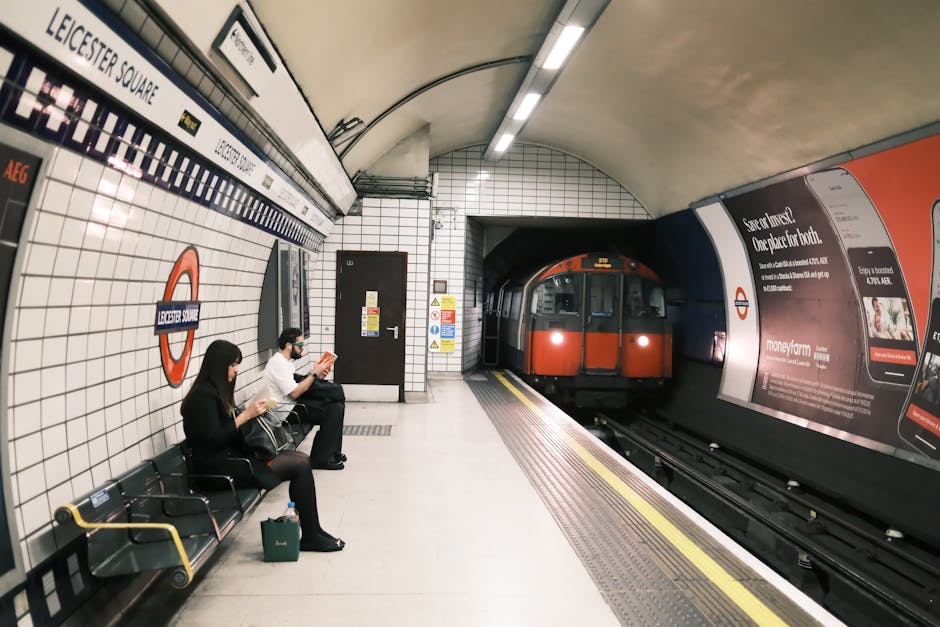
While the bus is a great choice, it’s worth comparing it to the train. The train journey from Doncaster to London takes about 1 hour and 29 minutes and costs $14. Although the train is faster, the price difference makes the bus an attractive option, especially for budget-conscious travelers.
Additionally, trains can be less predictable in terms of delays, while buses tend to have a more straightforward schedule. If you’re not pressed for time, the bus gives you a chance to relax and enjoy the scenery along the way.
Practical Tip: If you choose the train, consider booking your tickets in advance to secure the best prices, as last-minute fares can be significantly higher.
Is It Worth Flying Instead?#
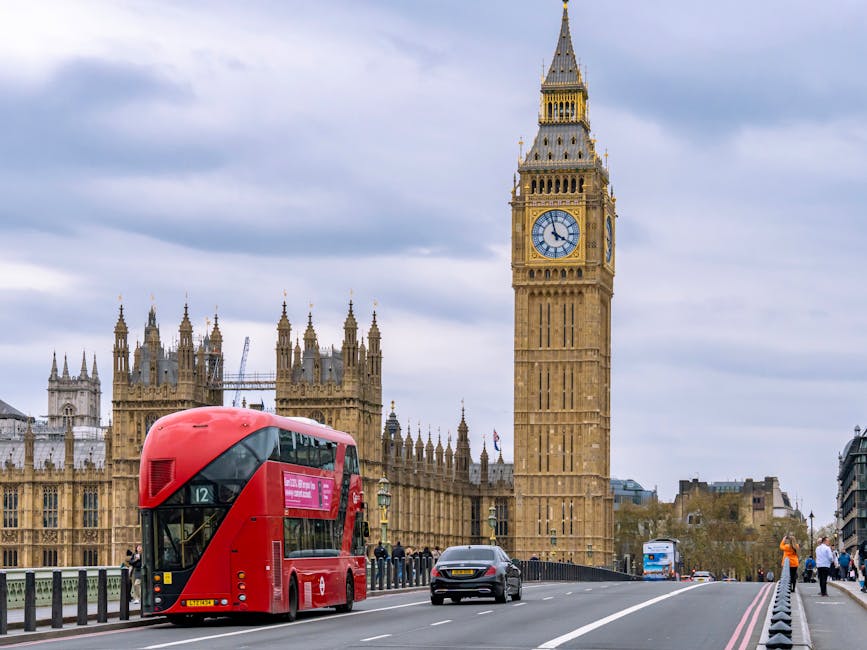
Flying from Doncaster to London is another option, but at $45 for a flight that lasts only 1 hour, it’s not the most economical choice. When you factor in the time spent getting to the airport, security checks, and potential delays, the bus becomes a more appealing option for many travelers.
Also, consider the environmental impact of flying versus taking the bus. Opting for the bus reduces your carbon footprint, making it a more sustainable choice.
Practical Tip: If you do consider flying, check the total travel time, including airport transfers, to see if it’s worth the extra cost.
What to Expect on the Bus Journey#
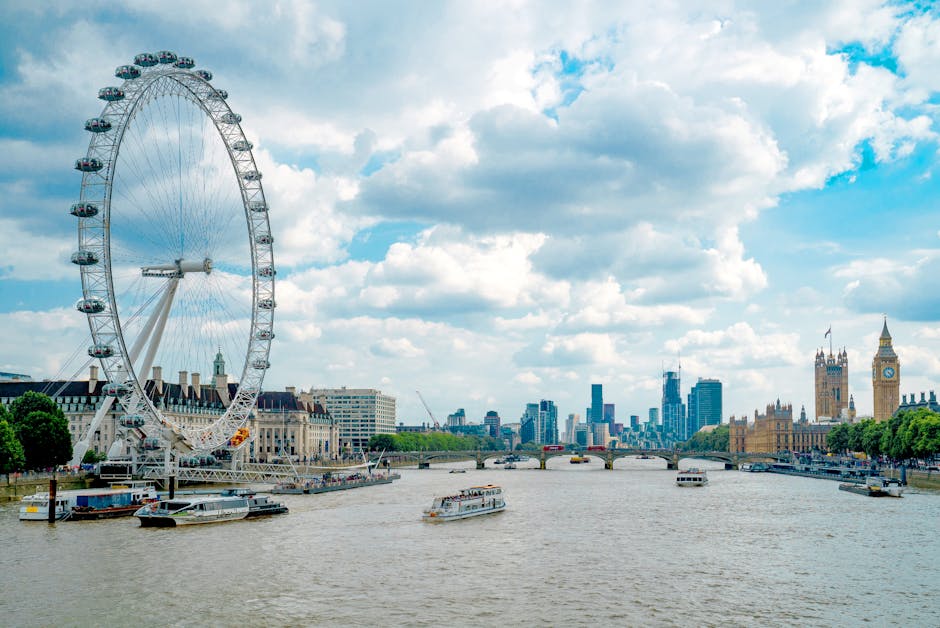
The bus journey from Doncaster to London is generally comfortable. Most buses are equipped with reclining seats, onboard restrooms, and sometimes even Wi-Fi, allowing you to stay connected or catch up on entertainment during your trip.
You’ll also have the opportunity to enjoy the changing landscape as you travel south. The route takes you through picturesque countryside, which can be a pleasant distraction from the hustle and bustle of city life.
Practical Tip: Bring along snacks and a water bottle to keep yourself refreshed during the journey, as bus stops may be limited.
How to Get the Cheapest Bus Tickets#
To secure the best price for your bus ticket, it’s advisable to book in advance. Prices can fluctuate based on demand, so purchasing your ticket a few days ahead of time can save you money.
Additionally, keep an eye out for any promotional offers or discounts that may be available. Some bus companies offer loyalty programs or discounts for students and seniors, which can further reduce your fare.
Practical Tip: Check out different bus operators to compare prices and services, as some may offer better deals or amenities than others.
Practical Tips for This Route#
- Luggage Policy: Most bus companies allow one piece of luggage and one small carry-on item. Be sure to check the specific policy of your chosen operator to avoid any surprises at the station.
- Station Location: Doncaster Interchange is the main bus station, located near the train station. Victoria Coach Station in London is also centrally located, making it easy to access public transport or taxis upon arrival.
- Wi-Fi Availability: Some buses offer free Wi-Fi, but this can vary by operator. If staying connected is important to you, verify this feature when booking your ticket.
- Seat Selection Strategy: If you prefer a window seat or extra legroom, consider booking your ticket early. Some bus companies allow you to select your seat during the booking process.
Luggage Policy: Most bus companies allow one piece of luggage and one small carry-on item. Be sure to check the specific policy of your chosen operator to avoid any surprises at the station.
Station Location: Doncaster Interchange is the main bus station, located near the train station. Victoria Coach Station in London is also centrally located, making it easy to access public transport or taxis upon arrival.
Wi-Fi Availability: Some buses offer free Wi-Fi, but this can vary by operator. If staying connected is important to you, verify this feature when booking your ticket.
Seat Selection Strategy: If you prefer a window seat or extra legroom, consider booking your ticket early. Some bus companies allow you to select your seat during the booking process.
taking the bus from Doncaster to London is a cost-effective and practical choice. With a journey time of 3 hours and a ticket price of $8, it’s an excellent option for those looking to save money while traveling. Whether you’re a local or a visitor, the bus provides a straightforward way to make your way to the capital without the stress of higher costs associated with other modes of transport.