📌 Disclaimer
Prices, schedules, tour details, flight routes, visa requirements, and all other information on this page are based on data at the time of writing. Fares, availability, and policies may change. Please verify current details on the official website before booking.
Long-distance bus travel across Europe is my default mode of transit because the savings fund extra days on the road. This route cuts straight up the Italian boot, and while it is a significant stretch of highway time, knowing how to navigate the logistics turns a grueling transit day into an easy ride.
Getting From Salerno to Milan by Bus#
The primary reason to pick the road over other options is the price. The bus ticket costs $8 for an 11h 30m journey. When you are watching every euro, keeping transit costs in the single digits leaves plenty of room in the budget for plates of pasta and cheap espresso in Milan .

The bus departs from Salerno and tracks north toward Lombardy. Because the trip takes nearly half a day, booking a ticket that leaves in the evening can save you the cost of a night in a hostel, letting you sleep through the bulk of the kilometers.
Practical tip: Confirm the exact boarding platform at the Salerno station at least thirty minutes prior to departure, as regional bus bays frequently shuffle assignments at the last minute.
Bus vs Train: Which Is Better for Salerno to Milan?#
| Tour | Price | Discount | Book |
|---|---|---|---|
| Bus | $7.78 | - | Book |
| Train | $17.25 | - | Book |
| Flight | $21.44 | - | Book |

To make an informed choice, you have to weigh the trade-off between time and money. The train costs $17 and takes 4h 44m.
Choosing the train saves you nearly seven hours of travel time compared to the road route. If your schedule is tight and you need to maximize your days in Milan, the train is the superior choice. However, that speed comes at more than double the price of the bus ticket. For budget backpackers who view transit time as a rest day to catch up on podcasts, reading, or editing photos, the bus wins on cost-efficiency.
Practical tip: Train stations in Italy are generally located right in the city center, making the rail option slightly more convenient for immediate access to public transit upon arrival.
Is It Worth Flying Instead?#
Air travel sits at $21 with a duration of 1h 20m in the air.
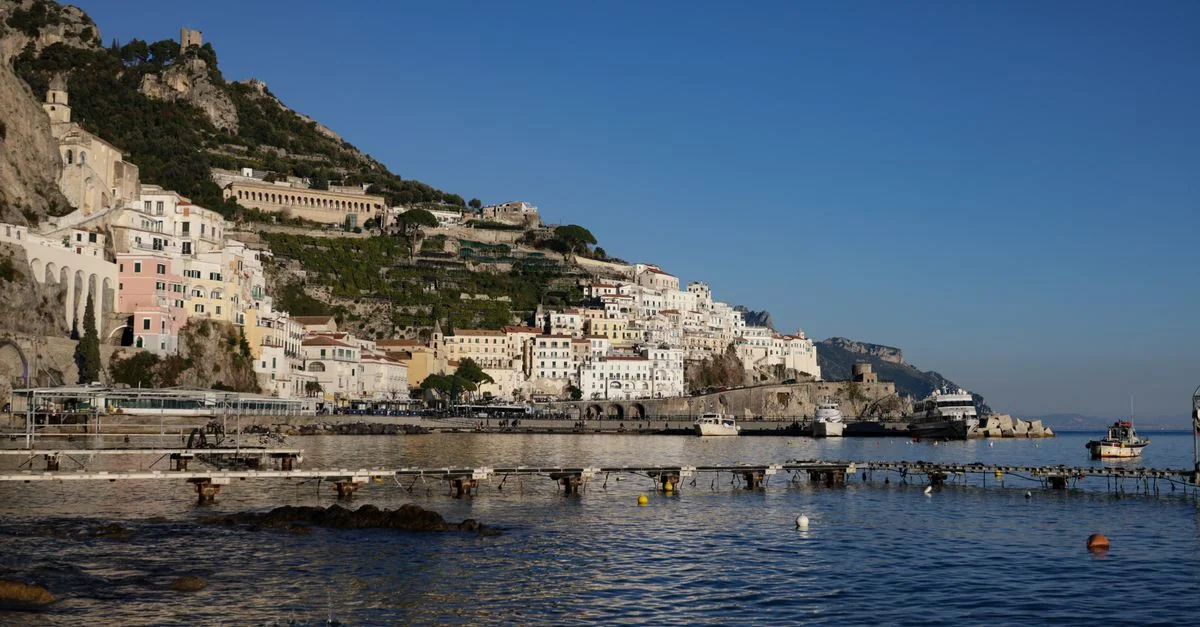
While the flight itself is the fastest way to cover the distance, remember to factor in the hidden costs of flying. You have to travel to the airport outside Salerno, clear security, fly to Milan’s airport, and then pay for a shuttle train or bus into the city center. By the time you add up airport transfer fees and time spent in terminals, the total door-to-door duration creeps closer to train territory, but at the highest price point of the three modes.
Practical tip: Check airline baggage restrictions carefully before booking a flight, as cheap fares often charge steep fees for cabin bags that go beyond a small personal item.
What to Expect on the Bus Journey#
Eleven and a half hours on a coach means you need to settle in properly. Long-distance buses in Italy typically feature reclining seats, overhead reading lights, and onboard restrooms, though comfort levels vary.
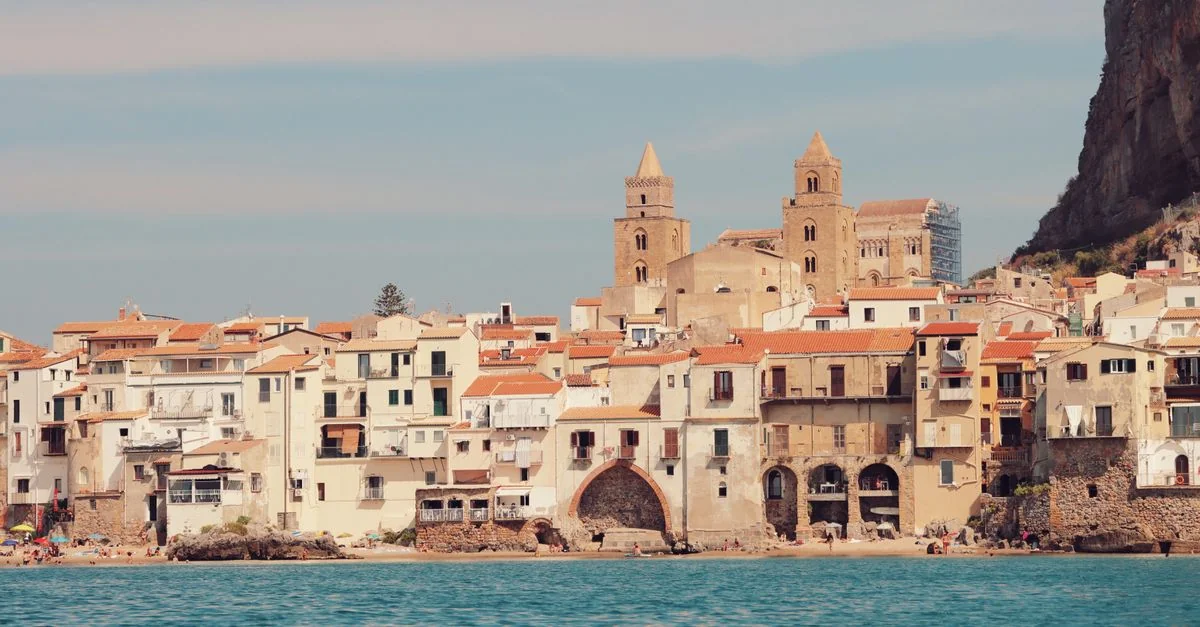
Since the trip takes you from the south to the north, the scenery transitions from rolling southern hills to the flatter plains of the Po Valley. Pack your own snacks and a large bottle of water because rest stops can be unpredictable in timing and pricing.
Practical tip: Onboard Wi-Fi on European long-distance buses is notoriously unreliable or subject to strict data caps; download your offline maps, playlists, and e-books before boarding.
How to Get the Cheapest Bus Tickets#
Scoring the $8 rate requires a bit of planning. Coach operators release their cheapest inventory weeks in advance. Waiting until a few days before departure usually means watching prices tick upward.

Flexible dates help tremendously. If you can travel on a Tuesday or Wednesday instead of a Friday or Sunday, you are far more likely to lock in the lowest base fare. Avoid third-party markup sites when possible and book directly through the operator’s digital platform to secure your seat without extra processing fees.
Practical tip: Always screenshot your digital ticket and booking confirmation barcode, as weak mobile data reception at bus boarding areas can prevent you from loading your pass online.
Practical Tips for This Route#
Long bus journeys demand a specific packing strategy. Keep your valuables, phone charger, and a light jacket in your under-seat bag because the luggage stored in the main bay below is inaccessible until you reach Milan.
Bus terminals can be chaotic, so arrive early to secure a spot in the queue. Seat selection matters on a trip of this length; try to pick a spot midway down the aisle to minimize the vibration from the engine and axle.
Practical tip: Standard luggage policy on these routes usually permits one large bag for the hold and one cabin-sized bag for your seat, but drivers will weigh or measure oversized packs if they look non-compliant.
The bus is the best choice for this route when your absolute priority is saving money. If you have more time than cash, spending $8 to cross the country lets you keep your travel fund intact for experiences once you arrive in Milan. Pack some snacks, download your entertainment offline, and enjoy the slow road north.
📌 Disclaimer
Prices, schedules, tour details, flight routes, visa requirements, and all other information on this page are based on data at the time of writing. Fares, availability, and policies may change. Please verify current details on the official website before booking.
