The first bus I took from Aachen Hbf to Amsterdam left the station just before 10 am, and after 2 hours 55 minutes the driver pulled into the busy Amsterdam Sloterdijk stop, where I could step straight onto a tram toward the city centre. The ticket cost only $8, making it the cheapest way to cross the border without sacrificing too much comfort. Below is everything I learned on that trip, plus a side‑by‑side look at the train and the flight option, so you can decide which mode fits your budget and schedule. Getting From Aachen Hbf to Amsterdam by Bus # The bus departs from the main bus terminal at Aachen Hbf, right next to the main train platforms. Look for the orange‑blue signs that read “International Buses” – the stop is usually platform 5, but it’s worth double‑checking the electronic board on the day of travel. Tickets can be bought online (the booking link is provided on the operator’s site) or at the ticket office on the ground floor; buying ahead saves a few euros and guarantees you a seat, especially on Saturday mornings when the route fills up quickly.

The first thing you notice when you step off the bus in Aachen is the smell of fresh bread from the bakeries lining the main street, a scent that lingers as you make your way to the central bus station. It is a small city, easy to navigate, and the transition from the quiet German streets to the open highway heading north toward the Netherlands is surprisingly smooth. For those of us who prefer to save money over time, this specific corridor offers one of the most consistent value propositions in European intercity travel. I have taken this route multiple times, and while the train is faster, the bus remains the undisputed champion for anyone looking to stretch a limited travel budget without sacrificing too much comfort. The journey from Aachen to Amsterdam is a classic short-haul trip that connects two major cultural hubs. Whether you are heading to the capital for a weekend of canal-side cafes and museum hopping, or simply passing through to the rest of the Netherlands, knowing exactly what to expect can make the difference between a stressful transit experience and a relaxed ride. The distance is manageable, and the options are clear. You have the bus, the train, and the flight. Each has its place, but for the majority of travelers, the bus strikes the perfect balance between cost and convenience.
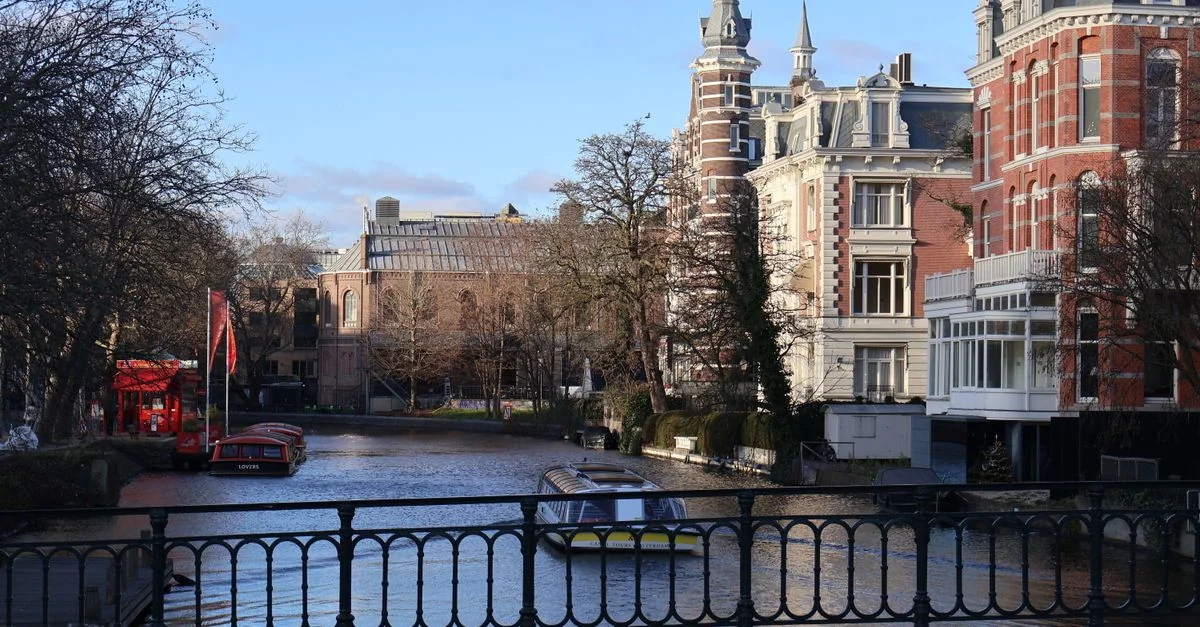
The first thing you notice when you step onto the platform in ’s-Hertogenbosch is the distinct smell of wet cobblestones and diesel exhaust, a scent that has become known for my low-budget travels across the continent. I have spent the last three years riding public transport across Europe, and I can tell you that the journey from the city of canals to the capital is one of the most efficient short hops in the Netherlands. It is not a long distance, but it is a critical connection for anyone trying to keep their travel costs down. The bus option here is not just a backup plan; it is a strategic choice for the savvy traveler who values saving money over saving minutes. While the train is faster, the bus offers a price point that is hard to argue with, especially when you are managing a tight monthly budget. I am going to break down exactly how to navigate this route, what to expect, and how to make the most of the experience without breaking the bank. Getting From ’s-Hertogenbosch to Amsterdam by Bus # The bus connection between ’s-Hertogenbosch and Amsterdam is straightforward and reliable. According to the current data, a ticket for this leg of the journey costs $5. The total travel time is 1 hour and 15 minutes. This is a direct comparison to the train, which takes 54 minutes but costs significantly more. When you are planning a trip, you need to look at the total cost of your journey, not just the time. If you are traveling with a friend, the bus saves you over £10 per person compared to the train. That is money you can spend on a proper meal or a museum entry in Amsterdam.
My boots hit the pavement at the Luxembourg bus terminal, and I checked my watch. I was preparing for a nearly six-hour journey north, cutting through borders on a long-distance coach instead of splashing out on high-speed rail or a short-haul flight. When you travel across Europe on a strict budget, the coach is often the only way to keep daily costs under control.